
As we age and our oestrogen levels lower, we naturally produce less nitric oxide which can lead to stiffer arteries and cardiovascular problems, cognitive disfunction, and low stamina.
The colourful beetroot is a great source of dietary nitrate. Eating it is a way to enhance nitric oxide bioavailability.
Nitric oxide is one of the most important molecules for blood vessel health.
It is a vasodilator, relaxing the inner muscles of your blood vessels, causing them to widen, and therefore lowering your blood pressure, and increasing exercise performance and brain function.
It also helps the gut by regulating smooth muscle and controlling peristalsis and the function of sphincters.
The gut is another area much affected by lower oestrogen levels.
The vasodilatory effect also increases blood flow to the kidneys, and the production of urine.
Even the immune system needs nitric oxide to work properly.
Nasal breathing produces more (a great book about this is called 'Breathe" by James Nestor) as does eating these foods that contain nitrates or promote its production.
Foods that increase nitrate levels by helping us produce more:
Pomegranate - Antioxidants
Nuts and seeds - Arginine
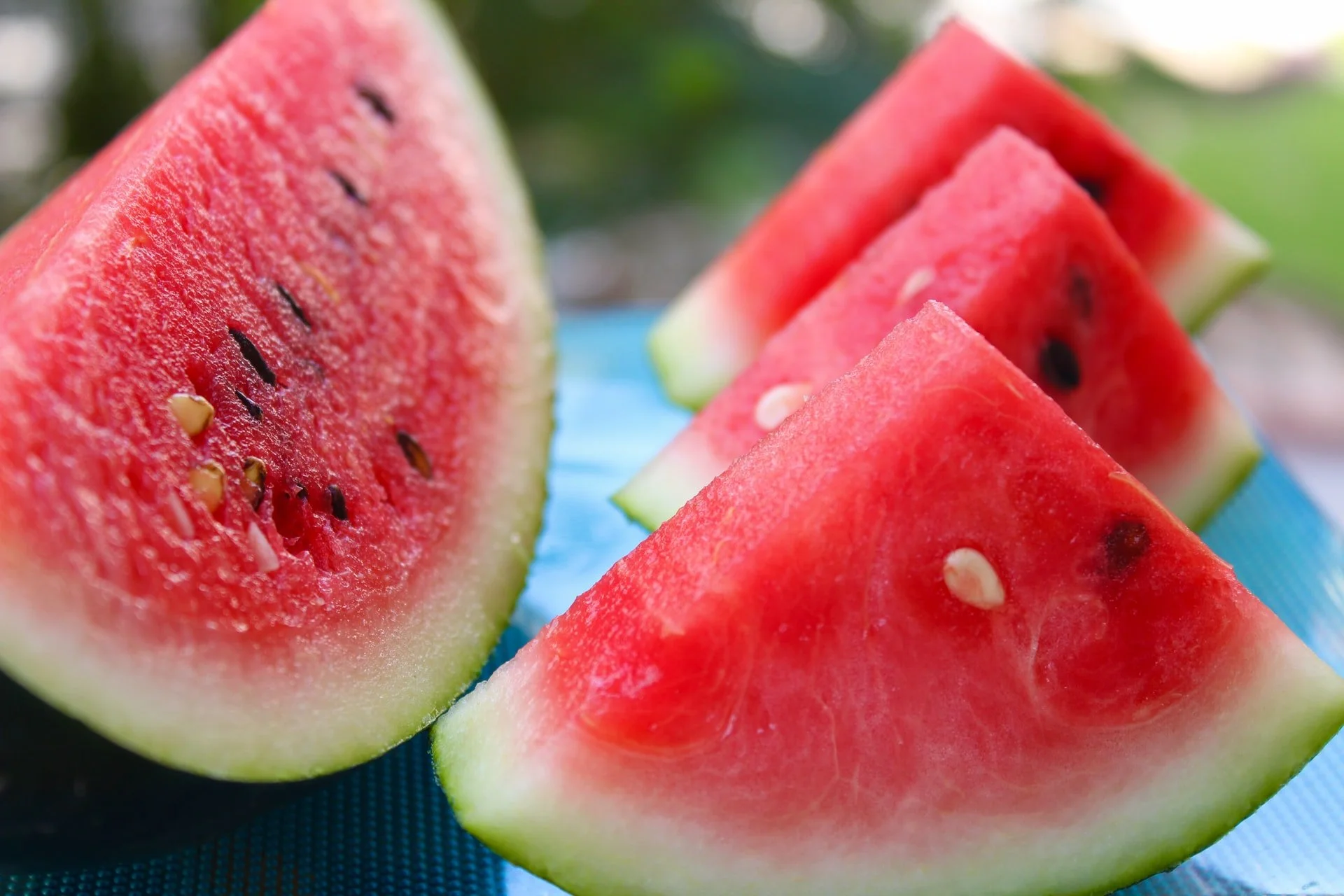
Watermelon - Citrulline
Meat - Coenzyme Q10
Dark green leafy greens - Nitrates
Garlic- Helps absorption by activating nitric oxide synthase.
Dark chocolate - Flavanols
Citrus fruits - Vitamin C
If you’d like to find out more about the benefits of a healthy diet through menopause then why not book a free call with me?