
Do you think about the calorific content of your food more than the nutrient content, or maybe you just grab whatever is easy for yourself, and put all the thought into providing healthier options for your family.
Well in this blog post we are going to look into the importance of protein, one of the least considered but hugely impactful macro nutrients - especially in mid-life- and think about whether we are eating enough.
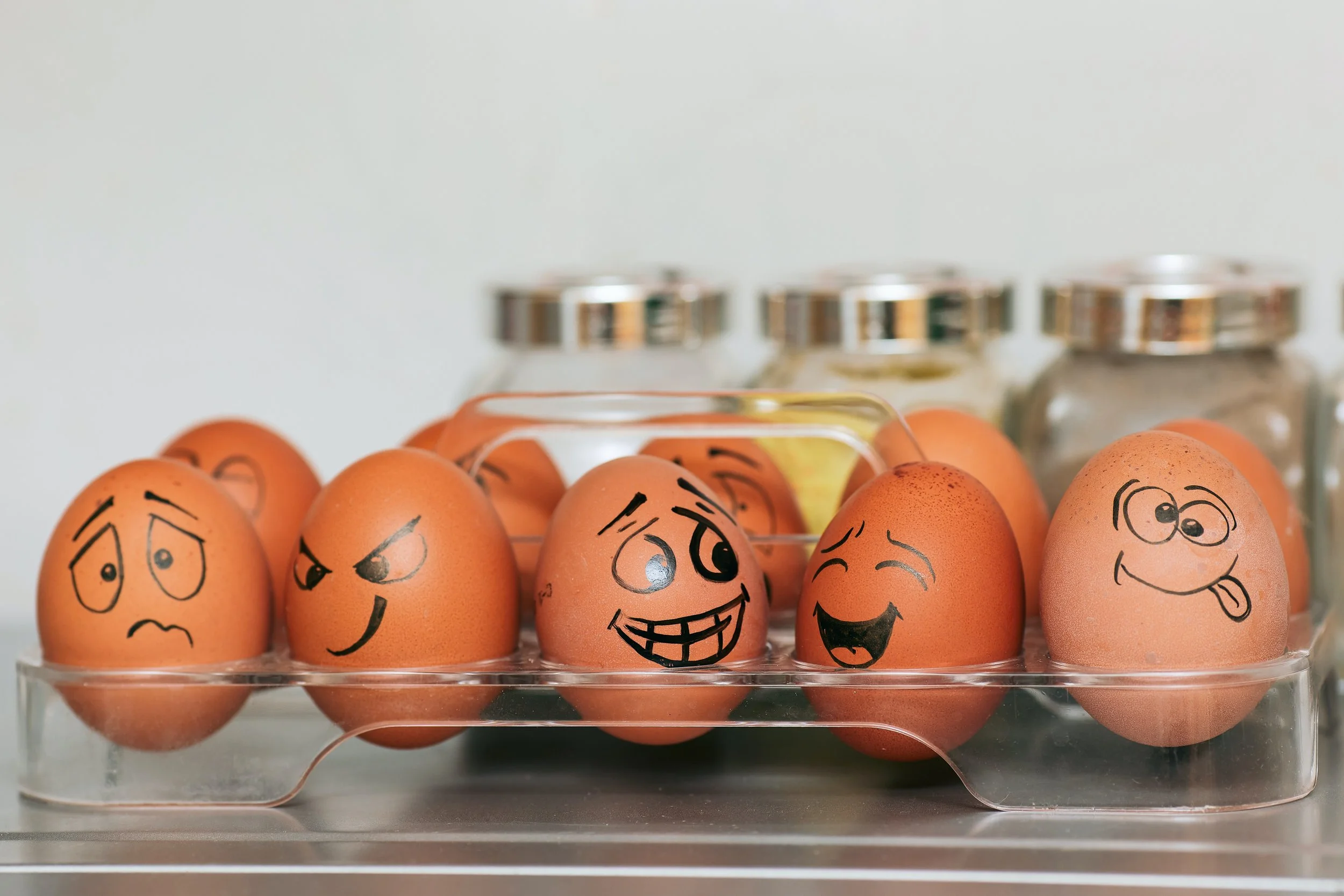
Eggs are an excellent source of protein.
I have only recently realised that I wasn’t eating enough. I want to get stronger, and avoid sarcopenia (natural muscle loss) so at my age I need significantly more than I was eating It’s a game changer!
Of course we are all different. Our bodies work well on different fuel, we have different needs, with different microbiomes, DNA and lifestyles. But we all need the same nutrients, and protein is a biggie.
Protein is the name given to all the amino acids we need to grow and maintain every cell in the body, so that includes your brain, immune system, digestive system and of course muscles and bones.
Most of us are not eating enough which can lead to cravings for sugar and carbs, and as protein is the building block of every cell, it can also lead to a whole host of other problems.
As we age we need MORE, I bet you didn't know that. Instead of 1 gram of protein per kg of body weight, we need 1.2 grams just to keep our muscle mass, and bones strong. That's about 26g per meal if you weigh 65kg.
As an idea- 242 grams of chickpeas, 105 grams of salmon, 77 grams of red meat and three whole eggs all equal 20 grams so you will probably be adapting to eating more, but it is completely possible I promise.
Protein really fills you up, and eating more alongside loads of unrefined carbs, good fats, and whole fruits and vegetables -full of gut friendly fibre- you will feel fabulous.
Eating enough protein along with doing resistance or weight training also helps us loose any peri-post menopausal weight gain, and will help avoid or reverse insulin resistance. Which I talked about in a previous blog post.
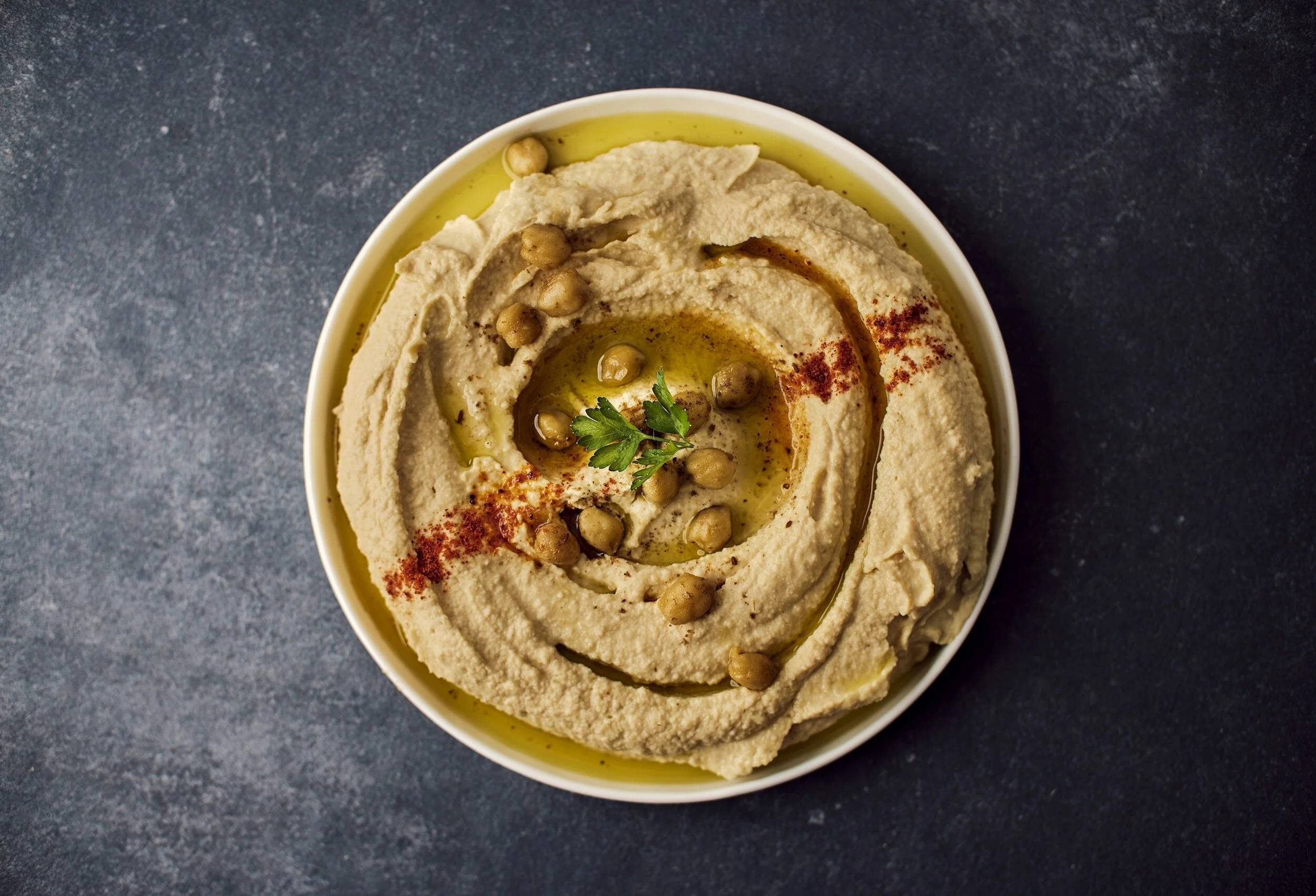
Adding hummus to a salad or as a snack is a great way to get some more protein.
Add some of these foods into each meal:
Eggs
Chicken breast
Turkey
Nuts and seeds
Cottage cheese
Greek yoghurt
Lentils
Beef
Fish
Quinoa
Protein powders
Interestingly, we can find ourselves craving savoury foods like crisps (potato crisps) when we are not getting enough protein, this is because that umami flavour can usually only be found in meat.
Another interesting protein fact: our bodies make us want to keep eating until we have consumed the protein needed, and when we eat enough we feel fuller. So if you are finding yourself snacking on carb heavy foods, you know what to do!
Follow me on Instagram to see how I am adding more protein to my meals.